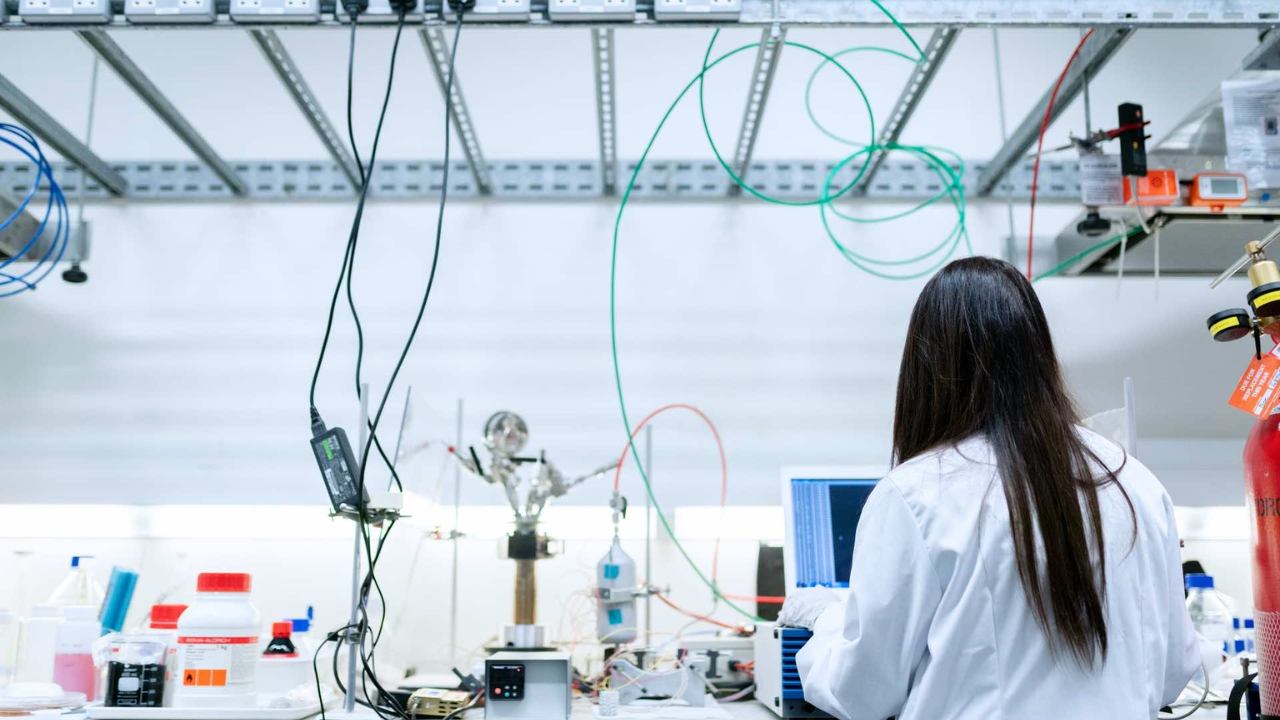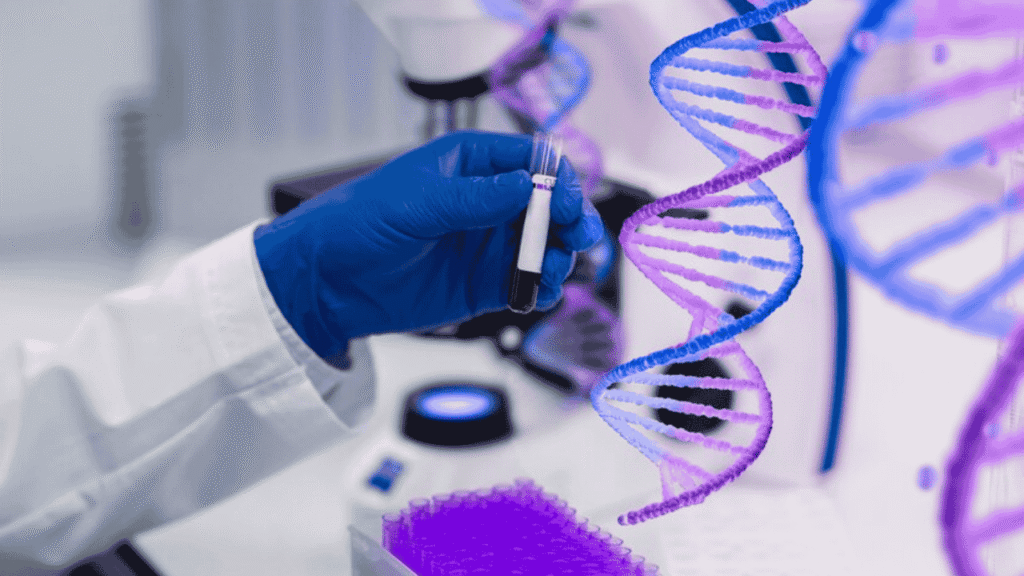
Genetic diseases are disorders caused by changes or mutations in DNA, and they can be inherited from parents or occur spontaneously. Over the past decade, medical science has made breakthroughs in understanding and treating these conditions. With advancements in biotechnology, genomics, and personalized medicine, countries like Morocco are also gradually improving their capacity to diagnose and manage genetic disorders more effectively.
Table of Contents
Overview
| Aspect | Details |
|---|---|
| Focus Area | Genetic diseases and treatments |
| Cause | DNA mutations |
| Key Fields | Genomics, biotechnology, medicine |
| Main Advances | Gene therapy, precision medicine |
| Diagnosis Tools | DNA sequencing, genetic testing |
| Goal | Better treatment and prevention |
What Genetic Diseases Are
Genetic diseases occur when there is a change in one or more genes. These changes can affect how the body functions and may lead to mild or severe health conditions.
Key points include:
- Caused by inherited or spontaneous mutations
- Can affect metabolism, immunity, or organ function
- May appear at birth or later in life
- Range from rare to common conditions
Examples include sickle cell anemia, cystic fibrosis, and thalassemia.
Modern Genetic Testing
One of the biggest advances in medical science is the development of genetic testing technologies. These tools help doctors identify diseases early and plan better treatments.
Key technologies include:
- DNA sequencing
- Whole genome analysis
- Prenatal genetic screening
- Carrier testing for inherited diseases
These tools allow early diagnosis, sometimes even before symptoms appear.
Gene Therapy Advances
Gene therapy is one of the most promising treatments for genetic diseases. It works by correcting or replacing faulty genes.
Key developments include:
- Delivery of healthy genes into cells
- Use of viral vectors for gene transfer
- Targeted treatment of rare diseases
- Experimental cures for inherited disorders
This approach is still evolving but shows strong potential for long-term cures.
CRISPR Technology
CRISPR is a revolutionary gene-editing tool that allows scientists to modify DNA with high precision.
Key features include:
- Ability to “cut and edit” DNA sequences
- High accuracy in targeting mutations
- Potential to cure genetic disorders permanently
- Applications in research and medicine
CRISPR is transforming how scientists understand and treat genetic diseases.
Personalized Medicine
Personalized medicine uses a patient’s genetic information to design customized treatments.
Key benefits include:
- More effective treatment plans
- Reduced side effects
- Better disease management
- Improved patient outcomes
This approach is becoming a major trend in modern healthcare systems.
Genomics Research Growth
Genomics research is expanding globally and in Morocco, helping scientists understand the genetic basis of diseases.
Key developments include:
- Mapping human genomes
- Studying population-specific genetic traits
- Research on inherited disorders
- Collaboration with international research centers
Institutions such as the National Center for Scientific and Technical Research are contributing to this field.
Stem Cell Therapy
Stem cell therapy is another promising area in treating genetic diseases. It focuses on repairing or replacing damaged tissues.
Key applications include:
- Treatment of blood disorders
- Regeneration of damaged organs
- Experimental therapies for rare diseases
- Bone marrow transplants
This field is still under research, but shows strong medical potential.
Early Detection Importance
Early detection of genetic diseases significantly improves treatment outcomes.
Key advantages include:
- Timely medical intervention
- Prevention of disease progression
- Better family planning decisions
- Reduced healthcare costs
Genetic screening programs are becoming more widely used in modern healthcare.
Ethical Considerations
Advances in genetic science also raise important ethical questions.
Key concerns include:
- Privacy of genetic data
- Ethical use of gene editing
- Access to expensive treatments
- Potential misuse of genetic technology
These issues require careful regulation and global cooperation.
Future of Genetic Treatment
The future of genetic disease treatment is moving toward more advanced and precise solutions.
Key trends include:
- Wider use of gene editing technologies
- Expansion of personalized medicine
- Development of permanent cures for rare diseases
- Integration of AI in genetic research
These advancements will transform healthcare in the coming decades.
Final Thoughts
Scientific advances in genetic disease treatment are revolutionizing modern medicine by enabling early diagnosis, targeted therapies, and potential long-term cures. With innovations like gene therapy, CRISPR, and personalized medicine, healthcare systems are becoming more precise and effective. As research continues to grow globally and in countries like Morocco, the future holds strong promise for better management and possible elimination of many genetic disorders.