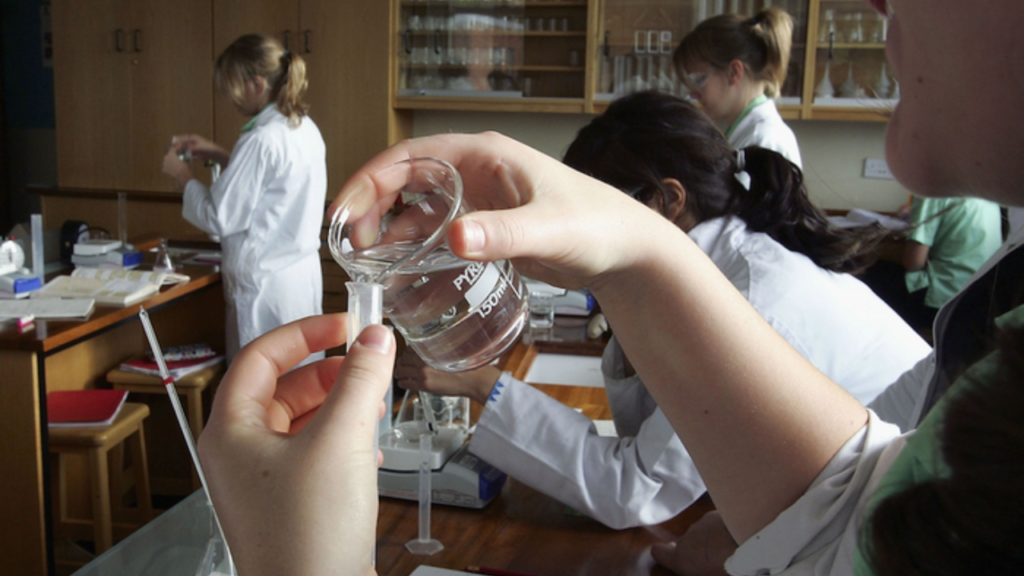
Science plays an important role in shaping how people understand health, the environment, technology, and everyday life. However, misinformation and traditional beliefs often lead to misunderstandings about basic scientific concepts. In Morocco, as in many parts of the world, several science myths still circulate widely despite modern education and research progress. This article breaks down common myths and compares them with scientific facts to improve awareness and critical thinking.
Table of Contents
Overview
| Aspect | Details |
|---|---|
| Focus Area | Science myths and facts |
| Country | Morocco |
| Key Fields | Health, environment, physics, biology |
| Main Issue | Misinformation and misconceptions |
| Solution | Science education and awareness |
| Goal | Improve scientific understanding |
Myth About Medicine
One of the most common misconceptions is related to medicine and healthcare practices. Many people still believe in unscientific remedies or misunderstand how medicines work.
Key myths include:
- Antibiotics cure viral infections like the flu
- Herbal remedies are always safer than modern medicine
- Vaccines weaken the immune system
- Fever should always be immediately suppressed
Scientific facts show that antibiotics only work on bacteria, not viruses, and vaccines are designed to strengthen immunity safely. Misuse of antibiotics can also lead to resistance, which is a serious global health issue.
Myth About Climate and Weather
Climate-related myths are also common, especially in regions affected by drought and changing weather patterns.
Key misconceptions include:
- Climate change is only natural and not human-driven
- Rainfall changes are random and not scientifically explainable
- Desert expansion is irreversible and uncontrollable
- Hot weather always means pollution levels are high
Scientific research shows that human activities significantly contribute to climate change, and advanced climate models can predict weather patterns with increasing accuracy.
Myth About the Human Body
Many beliefs about the human body are based on tradition rather than science.
Common myths include:
- Humans use only 10% of their brains
- Cracking joints causes arthritis
- Cold weather directly causes illness
- Drinking water immediately cures all diseases
In reality, the brain is fully active, joint cracking is generally harmless, and illnesses are caused by pathogens, not temperature itself.
Myth About Physics and Energy
Physics-related misconceptions often spread due to simplified explanations in everyday life.
Key myths include:
- Lightning never strikes the same place twice
- Heavier objects fall faster than lighter ones
- Energy can be created or destroyed
- Magnetic fields affect human thoughts
Scientific principles show that lightning can strike the same place multiple times, and objects fall at the same rate in a vacuum regardless of mass.
Myth About Technology
As digital technology spreads, new myths about devices and internet usage continue to grow.
Common misconceptions include:
- Leaving your phone charging overnight damages it
- More RAM always makes a computer faster
- Private browsing means complete online anonymity
- AI systems think like humans
In reality, modern devices manage charging efficiently, performance depends on multiple factors, and AI systems do not possess human consciousness.
Education and Awareness Gaps
One reason myths persist is the gap in science education and public awareness. While education in Morocco has improved significantly, misinformation still spreads through informal sources.
Key challenges include:
- Limited access to reliable science communication
- Influence of social media misinformation
- Lack of practical science demonstrations in some schools
- Language barriers in scientific content
Strengthening science education and public outreach is essential to reducing misconceptions.
Role of Media and Social Platforms
The media plays a major role in either spreading or correcting science myths.
Key observations include:
- Social media often spreads unverified claims
- Educational content is increasing, but still limited
- Science influencers are helping improve awareness
- Fact-checking platforms are becoming more important
Responsible media use is essential for improving public understanding of science.
Scientific Fact Awareness in Morocco
Efforts are being made to improve scientific literacy across the country through education and research institutions.
Key developments include:
- Stronger STEM education programs
- Public science awareness campaigns
- University-led outreach programs
- Increased research publication access
Institutions like the National Center for Scientific and Technical Research are contributing to science communication and research development.
Why Myths Persist
Even with scientific progress, myths continue to exist due to cultural and psychological reasons.
Key factors include:
- Tradition and inherited beliefs
- Misinterpretation of scientific ideas
- Lack of critical thinking training
- Emotional trust in non-scientific sources
Understanding these factors helps design better education strategies.
In Summary
Science myths continue to influence how people understand the world, but increasing education and awareness are helping reduce misinformation in Morocco. By comparing myths with scientific facts, individuals can develop better critical thinking skills and make informed decisions. As science communication improves and access to accurate information grows, Morocco is steadily moving toward a more scientifically informed society where evidence-based thinking becomes the norm.