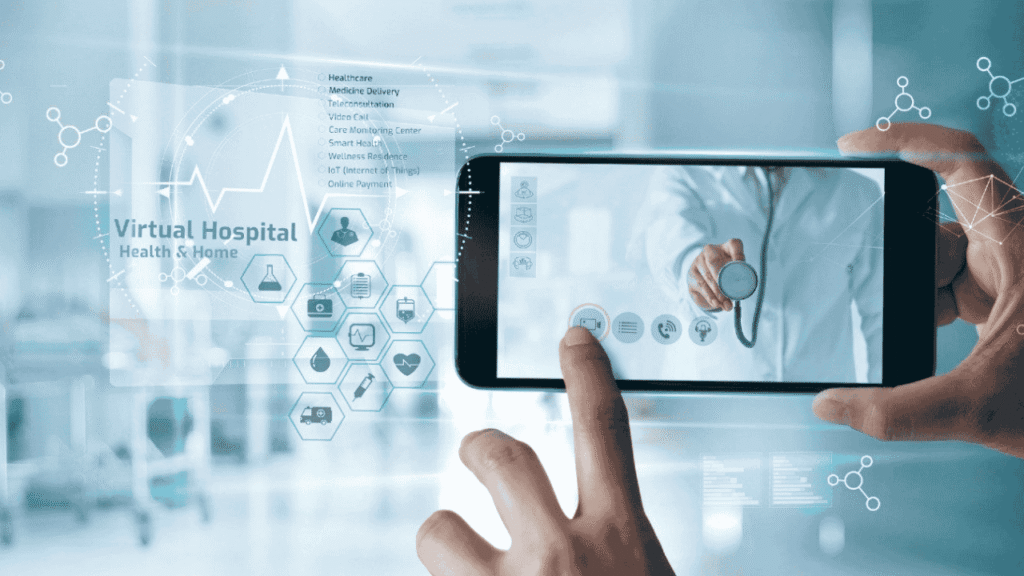
Telemedicine is rapidly transforming healthcare delivery in Morocco by enabling patients to consult doctors remotely using digital platforms. This innovation is especially important in rural and underserved regions where access to hospitals and specialists is limited. With growing digital infrastructure and healthcare reforms, telemedicine is becoming a key solution for improving medical access, reducing costs, and modernizing the healthcare system.
Table of Contents
Overview
| Aspect | Details |
|---|---|
| Focus Area | Telemedicine in healthcare |
| Country | Morocco |
| Key Benefit | Remote healthcare access |
| Main Users | Patients, doctors, hospitals |
| Core Technologies | Video consultation, AI tools, apps |
| Trend | Rapid digital health expansion |
Healthcare Access Improvement
One of the biggest benefits of telemedicine in Morocco is improved access to healthcare services, especially in rural areas where medical facilities are limited.
Key improvements include:
- Remote consultations with doctors via digital platforms
- Reduced the need for long-distance travel to hospitals
- Better access to specialist care in urban centers
- Faster medical advice for urgent conditions
Studies show telemedicine helps bridge gaps in healthcare access and improves equity across regions.
Support for Rural Areas
Telemedicine plays a crucial role in supporting rural populations where healthcare resources are often limited.
Key benefits include:
- Connection to specialists in major cities
- Reduced pressure on overcrowded hospitals
- Better monitoring of chronic diseases
- Improved emergency response coordination
In Morocco, many rural areas face medical shortages, making telemedicine a vital solution for healthcare delivery.
Cost and Time Efficiency
Telemedicine helps reduce both healthcare costs and time spent by patients and medical staff.
Key advantages include:
- Lower travel expenses for patients
- Reduced hospital congestion
- Faster diagnosis and treatment decisions
- Efficient use of medical resources
This makes healthcare more affordable and accessible for a larger population.
Chronic Disease Management
Telemedicine is especially useful for managing long-term health conditions that require regular monitoring.
Key applications include:
- Remote monitoring of diabetes and hypertension
- Continuous patient follow-ups
- Medication reminders and digital tracking
- Early detection of complications
This improves patient outcomes and reduces hospital visits.
Digital Health Integration
The growth of telemedicine is closely linked with Morocco’s broader digital transformation in healthcare.
Key developments include:
- Use of mobile health applications
- Integration of electronic health records
- AI-assisted diagnosis tools
- Expansion of online medical platforms
These technologies are modernizing the healthcare system and improving efficiency.
Key Challenges
Despite strong growth, telemedicine in Morocco still faces several challenges that limit its full potential.
Key challenges include:
- Uneven internet access in rural areas
- Limited digital literacy among patients and staff
- Lack of standardized systems across hospitals
- Concerns about data privacy and security
- Need for stronger regulatory and reimbursement policies
These barriers slow down widespread adoption, especially outside urban centers.
Healthcare Workforce Adaptation
Telemedicine also requires healthcare professionals to adapt to new digital tools and workflows.
Key issues include:
- Need for training in telehealth platforms
- Resistance to new technologies in some cases
- Increased workload in hybrid care systems
- Requirement for digital communication skills
Proper training programs are essential for smooth adoption.
Government and Policy Support
The Moroccan government has introduced frameworks and initiatives to support telemedicine development.
Key efforts include:
- National telemedicine initiatives
- Digital health transformation strategies
- Expansion of healthcare coverage goals
- Regulatory frameworks for remote care
These policies aim to improve access and integrate telemedicine into the national healthcare system.
Future Growth Potential
Telemedicine is expected to continue growing as digital infrastructure and healthcare investments expand.
Key trends include:
- Wider use of AI in remote diagnosis
- Expansion of telehealth services in rural areas
- Growth of private digital health platforms
- Increased patient acceptance of remote care
These trends indicate strong long-term potential for telemedicine in Morocco.
Summing Up
Telemedicine is transforming healthcare in Morocco by improving access, reducing costs, and modernizing medical services. While challenges such as infrastructure gaps and digital literacy remain, continued investment and policy support are helping the system evolve. With the integration of digital tools and remote care systems, telemedicine is set to play a central role in building a more efficient, accessible, and equitable healthcare future in Morocco.