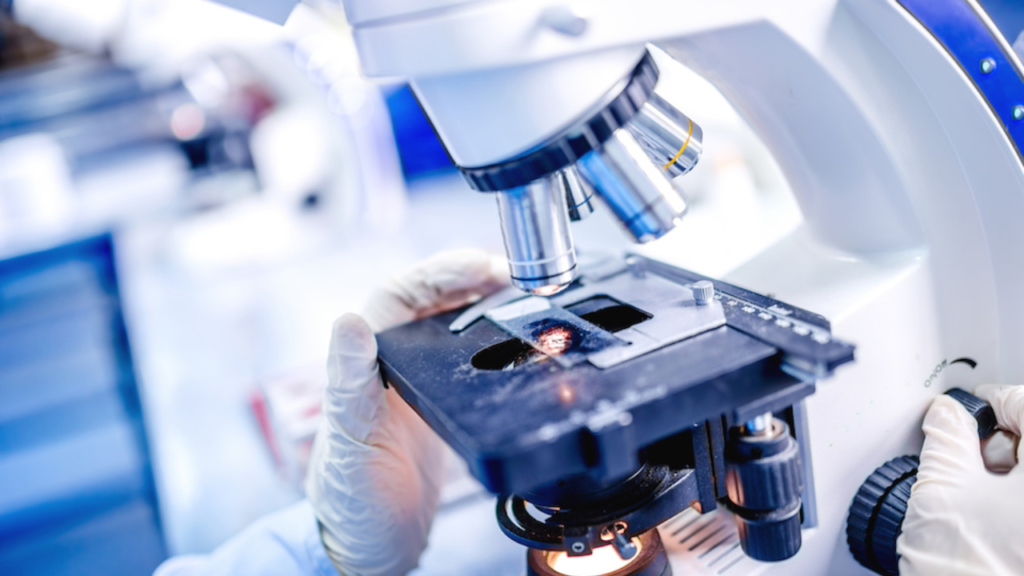
North Africa is rapidly advancing in biotechnology and medical research, driven by increasing investment, international collaborations, and the urgent need to address regional health challenges. Countries such as Morocco, Egypt, and Tunisia are leading innovation in genomics, vaccines, digital health, and precision medicine. In 2026, the region is witnessing significant scientific progress that is reshaping healthcare systems and research capabilities.
Table of Contents
Overview
| Aspect | Details |
|---|---|
| Region | North Africa |
| Key Fields | Genomics, vaccines, AI healthcare, biotech |
| Main Drivers | Public health needs, research funding |
| Innovation Type | Applied and clinical research |
| Key Countries | Morocco, Egypt, Tunisia |
| Growth Trend | Rapid expansion |
Genomics Research
One of the most important breakthroughs in North Africa is the advancement in genomics and personalized medicine. A major initiative is the Genome Tunisia Project, which aims to map the genetic structure of the Tunisian population.
Key highlights include:
- Creation of a national genetic database
- Study of disease susceptibility specific to populations
- Development of personalized treatment strategies
- Contribution to global genomic research
This project is helping scientists understand genetic diversity and improve targeted therapies.
Genomics research is laying the foundation for precision medicine across North Africa.
Vaccine Development
Vaccine research and immunization programs have seen major progress in recent years. Countries are improving access to vaccines and expanding research capabilities.
Key developments include:
- Introduction of HPV vaccines in national programs
- Expansion of immunization strategies
- Collaboration with global health organizations
- Focus on infectious disease prevention
For example, Morocco has integrated the HPV vaccine into its national immunization program, while Tunisia is expanding its rollout.
These efforts are strengthening public health systems and reducing disease burden.
Digital Health Innovation
Digital health and biotechnology are merging to create advanced healthcare solutions in North Africa. AI and telemedicine are transforming diagnosis and patient care.
Key innovations include:
- AI-based diagnostic tools
- Remote healthcare services (telemedicine)
- Mobile health applications
- Digital patient monitoring systems
The digital health market in Africa is growing rapidly, with technologies enabling better access to care and improved outcomes.
This transformation is especially important for rural and underserved areas.
Biotechnology Growth
The biotechnology sector in North Africa is expanding significantly, driven by demand for healthcare solutions and food security.
Key trends include:
- Growth in bioinformatics and data-driven research
- Development of genetic engineering techniques
- Expansion of clinical research and trials
- Increased investment in biotech startups
The broader Middle East and Africa biotechnology market is expected to grow rapidly, supported by innovation in healthcare and agriculture.
This growth reflects the region’s commitment to scientific advancement.
Cancer Research Advances
Cancer research is a major focus area in North Africa, with scientists working on early detection and treatment strategies.
Key breakthroughs include:
- Improved cancer screening technologies
- Research on genetic factors influencing cancer
- Development of targeted therapies
- Participation in international cancer studies
These advancements are helping improve survival rates and treatment effectiveness.
Regenerative Medicine
Regenerative medicine and tissue engineering are emerging fields in North African research.
Key innovations include:
- Stem cell research
- Tissue repair and regeneration techniques
- Development of bioengineered tissues
- Research in organ replacement technologies
These breakthroughs have the potential to revolutionize treatment for chronic diseases and injuries.
Infectious Disease Research
North Africa continues to focus on infectious disease research, especially after global health crises.
Key developments include:
- Research on viral diseases and pandemics
- Improved diagnostic tools
- Development of new treatment strategies
- Strengthening public health surveillance
These efforts enhance preparedness for future health emergencies.
Medical Conferences
Scientific collaboration is being strengthened through international conferences and research events held in the region.
Key contributions include:
- Knowledge sharing among global experts
- Presentation of new research findings
- Opportunities for collaboration
- Exposure to advanced technologies
Countries like Egypt and Morocco are hosting major medical and biotech conferences in 2026.
These platforms accelerate innovation and global integration.
Challenges Faced
Despite progress, North Africa faces challenges in biotechnology and medical research.
Key issues include:
- Limited funding compared to developed regions
- Shortage of advanced research infrastructure
- Brain drain of skilled professionals
- Regulatory and policy gaps
Addressing these challenges is essential for sustained growth.
Regional Impact
The impact of these breakthroughs is significant for both healthcare and economic development.
Major benefits include:
- Improved healthcare quality
- Increased research output
- Growth of biotech industries
- Better disease prevention and treatment
North Africa is gradually becoming a competitive player in global biotechnology.
Final Analysis
Biotechnology and medical research in North Africa are advancing rapidly, with breakthroughs in genomics, vaccines, digital health, and regenerative medicine. Countries like Morocco, Egypt, and Tunisia are investing in innovation and building strong research ecosystems. While challenges remain, the region’s progress highlights its potential to become a leading center for scientific research and healthcare innovation in the coming years.