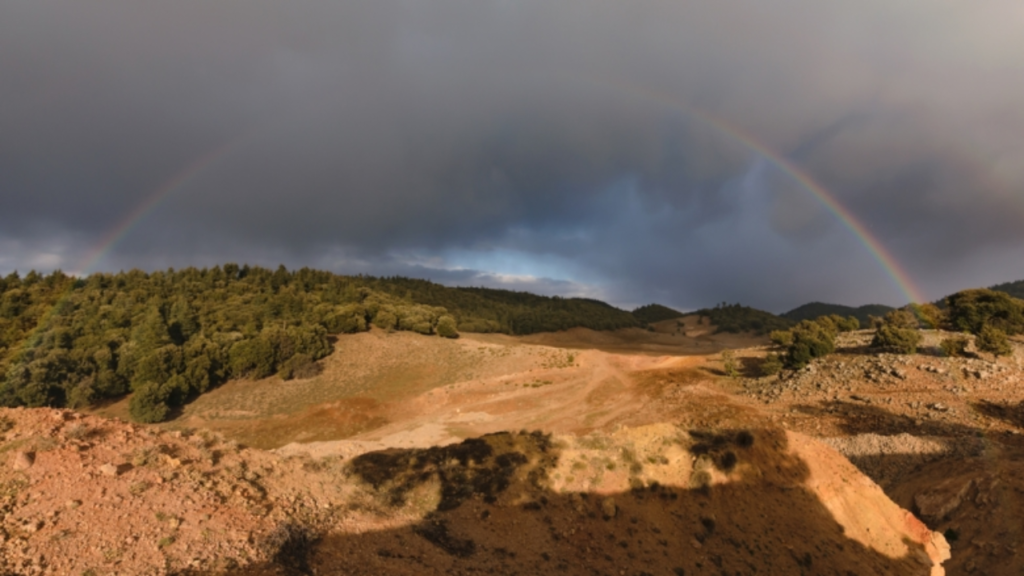
Climate change is significantly affecting Morocco, a country already characterized by semi-arid conditions and limited water resources. Scientific research shows that rising temperatures, declining rainfall, and increasing extreme weather events are reshaping ecosystems, agriculture, and economic stability. As climate pressures intensify, Morocco faces both immediate environmental challenges and long-term risks that require urgent adaptation and innovation.
Table of Contents
Overview
| Aspect | Details |
|---|---|
| Region | North Africa |
| Main Risks | Drought, heatwaves, water scarcity |
| Temperature Rise | 1.5°C–3.5°C by mid-century |
| Rainfall Change | Decrease of 10–20% |
| Key Impact Areas | Agriculture, water, economy |
| Future Risk Level | High |
Temperature Rise
Scientific data show that Morocco has experienced significant warming over the past decades. Average temperatures have increased steadily, with projections indicating further rise in the future.
Key insights:
- The temperature has risen by about 0.2°C per decade
- Expected increase of up to 3.5°C by mid-century
- More frequent and longer heatwaves
Heatwaves are becoming more intense and prolonged, with projections suggesting they could last weeks longer by the end of the century.
This temperature rise directly impacts water availability, agriculture, and human health.
Water Scarcity
Water scarcity is one of the most critical consequences of climate change in Morocco. Reduced rainfall and increased evaporation are putting immense pressure on water resources.
Scientific findings include:
- Rainfall projected to decrease by 10–20%
- High evaporation rates reduce usable water
- Risk of severe water stress by 2040
Climate change is intensifying existing water shortages, especially in rural and agricultural regions.
Water scarcity also affects drinking water supply, irrigation, and industrial use.
Drought Frequency
Droughts are becoming more frequent and severe in Morocco, posing serious risks to food security and livelihoods.
Key scientific observations:
- Increasing drought severity over time
- Longer drought periods expected after 2050
- Expansion of arid and semi-arid zones
Studies show that most future conditions may fall into “drought zones,” indicating a long-term shift toward dryness.
These conditions threaten agriculture, which is highly dependent on rainfall.
Agricultural Impact
Agriculture is one of the most climate-sensitive sectors in Morocco. Changes in temperature and rainfall directly affect crop production and food supply.
Major impacts include:
- Reduced crop yields due to heat and drought
- Increased vulnerability of rain-fed farming
- Stress on irrigation systems
- Decline in livestock and pasture availability
Scientific research highlights that crops like cereals are highly sensitive to climate variability, requiring urgent adaptation strategies.
Agriculture being a major employer, these changes also affect rural economies.
Economic Consequences
Climate change is not just an environmental issue—it also has major economic implications for Morocco.
Key economic risks:
- Loss of agricultural productivity
- Increased cost of water and food
- Reduced GDP due to climate impacts
- Pressure on energy and infrastructure systems
Estimates suggest that water scarcity and climate impacts could cost Morocco billions annually in economic losses.
This highlights the need for climate-resilient economic planning.
Extreme Weather
Morocco is experiencing an increase in extreme weather events such as floods, heatwaves, and wildfires.
Scientific trends include:
- More frequent heatwaves and droughts
- Occasional intense rainfall leading to floods
- Increased wildfire risks due to dry conditions
Extreme weather events are becoming more unpredictable and damaging, affecting both urban and rural areas.
These events pose risks to infrastructure, human safety, and ecosystems.
Coastal Risks
Morocco’s coastal regions are particularly vulnerable to climate change due to rising sea levels and erosion.
Key risks include:
- Coastal flooding and land loss
- Erosion of beaches and infrastructure
- Impact on tourism and fisheries
- Salinization of groundwater
Around 60% of the population lives near coastal areas, making these risks highly significant.
Protecting coastal zones is essential for economic and environmental stability.
Ecosystem Changes
Climate change is altering natural ecosystems in Morocco, affecting biodiversity and environmental balance.
Major impacts include:
- Degradation of oasis ecosystems
- Loss of biodiversity
- Increased desertification
- Stress on forests and wildlife
Changes in temperature and water availability are disrupting ecosystems that have existed for centuries.
Human Impact
Climate change is also affecting human populations directly, especially vulnerable communities.
Key concerns:
- Increased risk of displacement due to climate events
- Health issues linked to heat and water scarcity
- Rural migration to urban areas
- Rising food insecurity
Millions of people are expected to face climate-related risks, including displacement and livelihood loss, in the coming decades.
Future Risks
Looking ahead, climate models suggest that Morocco will face even greater challenges if global warming continues.
Projected risks include:
- Severe water shortages
- Increased frequency of extreme weather
- Decline in agricultural productivity
- Greater economic instability
Without strong adaptation measures, these risks could significantly impact national development.
Wrapping Up
Climate change is reshaping Morocco’s environment, economy, and society in profound ways. Scientific evidence clearly shows rising temperatures, declining water resources, and increasing climate risks. While the country is making efforts to adapt through renewable energy and water management strategies, the challenges remain significant. Addressing these issues will require long-term planning, innovation, and global cooperation to ensure a sustainable and resilient future for Morocco.