Robotics is rapidly transforming industries across North Africa, reshaping how companies produce goods, deliver services, and manage resources. With increasing investment in automation, artificial intelligence, and smart manufacturing, countries like Morocco, Algeria, and Tunisia are gradually adopting robotics to improve efficiency and global competitiveness. From factories to farms and hospitals, robots are becoming essential tools in modern industrial development.
Table of Contents
Overview
| Aspect | Details |
|---|---|
| Focus Area | Robotics and industrial transformation |
| Region | North Africa |
| Key Sectors | Manufacturing, agriculture, healthcare, logistics |
| Main Driver | Automation and AI integration |
| Key Benefit | Higher efficiency and productivity |
| Trend | Rapid but uneven adoption |
Manufacturing Automation
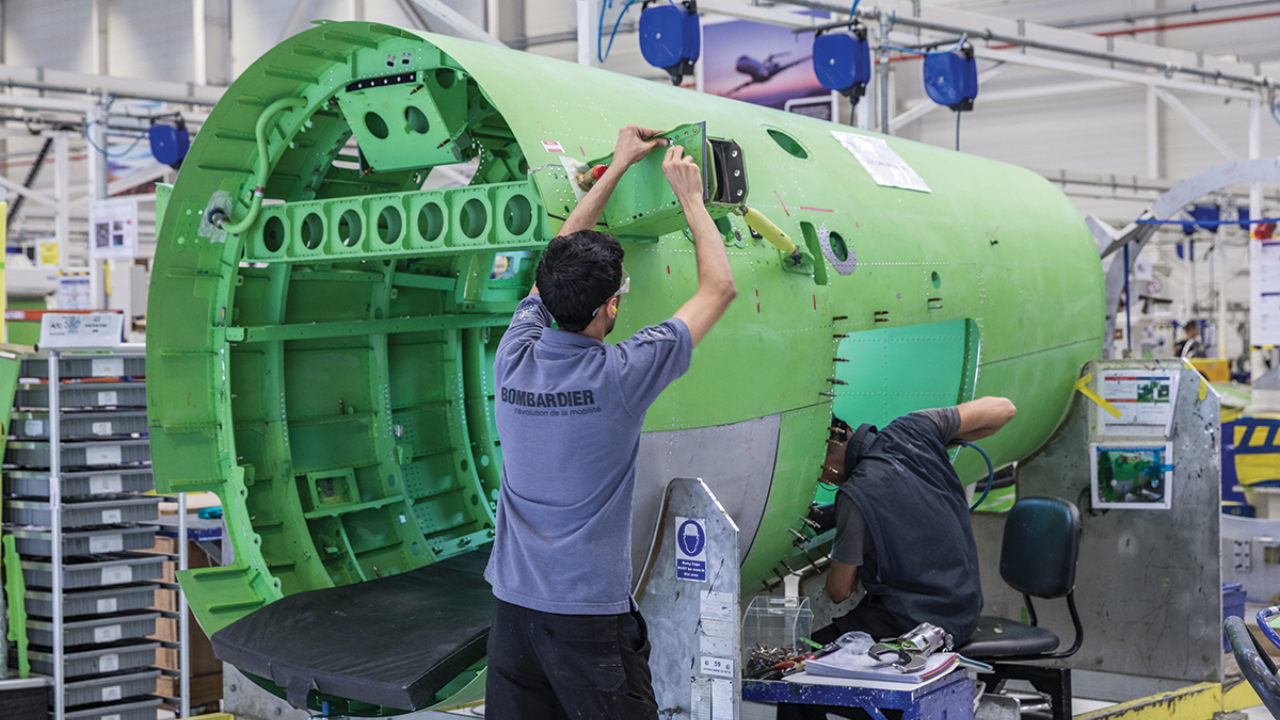
One of the biggest impacts of robotics in North Africa is in manufacturing. Factories are increasingly using robots to improve production speed and reduce errors.
Key developments include:
- Automated assembly lines in the automotive and electronics industries
- Use of robotic arms for precision tasks
- Improved quality control systems
- Reduced production costs and downtime
In Morocco, industrial automation is strongly supported by national digital strategies and innovation programs, helping companies modernize production systems.
Agricultural Transformation
Robotics is also changing agriculture, which is a vital sector in North Africa. Smart farming tools are helping farmers improve productivity and manage scarce resources like water.
Key applications include:
- Crop monitoring using sensors and drones
- Automated irrigation systems
- AI-based pest and disease detection
- Robotic harvesting and soil management
These technologies help increase crop yields while reducing water waste and labor dependency.
Healthcare Innovation
Healthcare systems are beginning to adopt robotic technologies to improve accuracy and patient care. Although still developing, the impact is growing.
Key uses include:
- Robot-assisted surgical procedures
- AI-supported diagnosis systems
- Hospital automation for logistics and cleaning
- Remote healthcare support in rural areas
These innovations improve efficiency and reduce the workload on medical staff.
Logistics and Transportation
Robotics is improving supply chain management and transportation systems across North Africa.
Key improvements include:
- Automated warehouse operations
- Smart port management systems
- AI-based route optimization
- Faster cargo handling in major trade hubs
These developments help countries improve trade efficiency and reduce delays.
Industrial Competitiveness
Robotics is helping North African industries become more competitive in global markets. Automation allows companies to produce higher-quality goods at lower costs.
Key impacts include:
- Increased export potential
- Improved manufacturing standards
- Attraction of foreign investment
- Development of smart factories
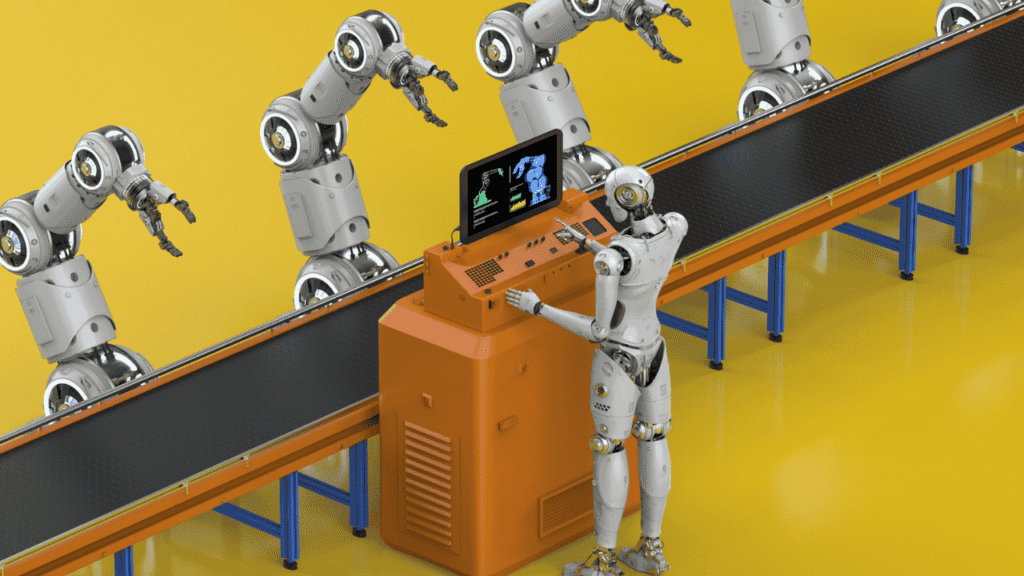
Industrial robotics is also gaining momentum due to the need for efficiency and productivity in manufacturing sectors.
Skill Development and Jobs
While robotics increases efficiency, it also changes the nature of jobs in the region. New roles require advanced technical skills.
Key workforce changes include:
- Demand for robotics engineers and technicians
- Growth in AI and automation-related jobs
- Need for reskilling and upskilling programs
- Expansion of STEM education
Countries are focusing on training programs to prepare young professionals for these new opportunities.
Challenges in Adoption
Despite progress, robotics adoption in North Africa faces several challenges.
Key challenges include:
- High cost of robotic systems
- Limited technical infrastructure
- Skills shortages in advanced engineering
- Uneven adoption across industries
These challenges slow down widespread implementation.
Regional Innovation Growth
North Africa is gradually building an innovation ecosystem that supports robotics and automation.
Key developments include:
- Government-backed digital transformation programs
- Growth of AI and robotics startups
- International collaborations in technology
- Expansion of research in universities
This ecosystem is helping the region catch up with global technological trends.
Closing Insights
Robotics is reshaping industries across North Africa by improving efficiency, productivity, and innovation. From manufacturing and agriculture to healthcare and logistics, automation is becoming a key driver of economic transformation. While challenges such as cost and skills gaps remain, the region is steadily moving toward a more automated and technology-driven future, with strong potential for long-term growth and global competitiveness.