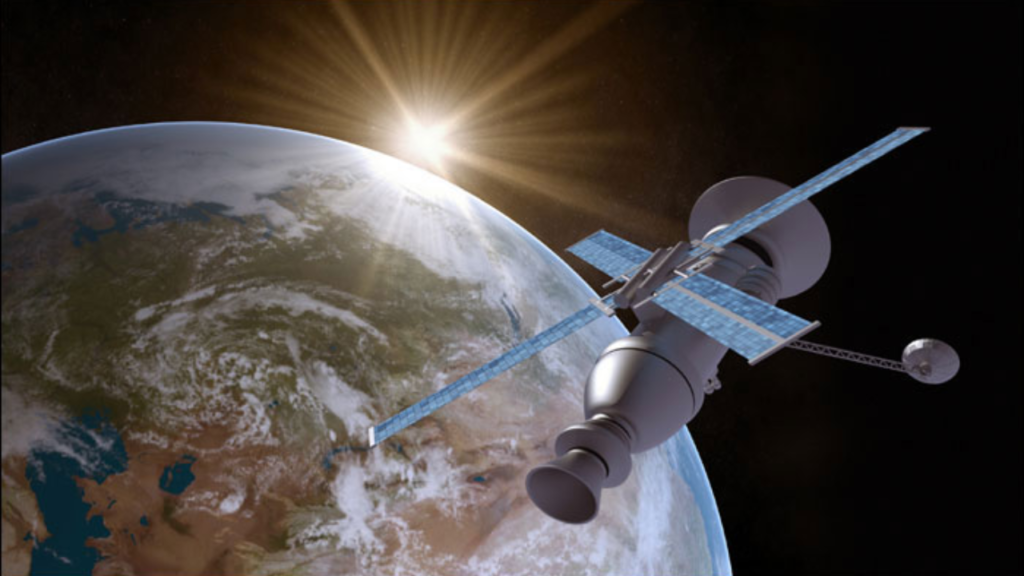
Morocco is steadily building its presence in space science and satellite technology, using innovation to support environmental monitoring, security, and scientific research. Although not traditionally known as a space power, Morocco has made strategic investments in satellite systems, data analysis, and international collaborations. These efforts are helping the country strengthen its scientific capabilities and contribute to global space research.
Table of Contents
Overview
| Aspect | Details |
|---|---|
| Focus Area | Space science and satellite technology |
| Country | Morocco |
| Key Tools | Satellites, remote sensing, data systems |
| Main Uses | Environment, security, research |
| Key Strength | Earth observation satellites |
| Growth Trend | Emerging space sector |
Satellite Programs
Morocco’s most notable contribution to space science is its development of Earth observation satellites. These satellites are designed to collect data that supports national planning and scientific research.
Key highlights include:
- Launch of observation satellites for monitoring land and water
- High-resolution imaging capabilities
- Support for mapping and geographic analysis
- Use in national security and disaster response
These satellite programs mark a major step in Morocco’s technological advancement.
Earth Observation
Earth observation is the primary focus of Morocco’s space activities. Satellites are used to monitor environmental changes and manage natural resources.
Key applications include:
- Tracking climate change and weather patterns
- Monitoring agricultural land and crop health
- Observing water resources and drought conditions
- Studying urban expansion and land use
This data helps scientists and policymakers make informed decisions.
Environmental Monitoring
Satellite technology plays a crucial role in environmental protection in Morocco. It provides real-time data that supports sustainable development.
Important uses include:
- Detecting deforestation and desertification
- Monitoring air and water quality
- Predicting natural disasters such as floods and wildfires
- Supporting conservation efforts
These applications highlight the importance of space technology in addressing environmental challenges.
Scientific Research
Morocco is using satellite data to enhance scientific research across multiple disciplines. Researchers analyze space-based data to gain insights into environmental and geographic changes.
Key contributions include:
- Climate and atmospheric studies
- Geological and mineral research
- Ocean and coastal analysis
- Data-driven scientific modeling
This integration of space technology strengthens the country’s research capabilities.
International Collaboration
Morocco collaborates with international partners to develop and operate its space programs. These partnerships provide access to advanced technology and expertise.
Key collaborations include:
- Agreements with European space organizations
- Partnerships with global satellite manufacturers
- Participation in international research projects
- Knowledge exchange with space agencies
Such collaborations accelerate Morocco’s progress in space science.
Security Applications
Satellite technology also plays a role in national security and defense. High-resolution imagery supports surveillance and border monitoring.
Key uses include:
- Monitoring national borders
- Enhancing maritime security
- Supporting emergency response operations
- Improving disaster management systems
These applications contribute to national stability and safety.
Educational Growth
Morocco’s space initiatives are influencing education and inspiring students to pursue careers in science and technology.
Key developments include:
- Introduction of space science programs in universities
- Student participation in satellite-related projects
- Growth of STEM education
- Increased interest in aerospace engineering
This educational impact supports long-term scientific growth.
Technological Development
The space sector is driving technological innovation in Morocco. Satellite programs require advanced engineering, data processing, and communication systems.
Key advancements include:
- Development of remote sensing technologies
- Improvement in data analytics and processing
- Growth of digital infrastructure
- Integration of AI with satellite data
These technologies benefit multiple sectors beyond space science.
Economic Impact
Space technology is contributing to economic development by creating new opportunities and industries.
Key impacts include:
- Job creation in the technology and research sectors
- Growth of aerospace-related industries
- Attraction of foreign investment
- Development of high-tech services
This economic contribution supports national development goals.
Future Potential
Morocco’s space sector has strong potential for future growth as technology advances and investments increase.
Potential developments include:
- Launch of more advanced satellites
- Expansion of space research programs
- Increased participation in global space missions
- Development of local aerospace industries
These opportunities highlight the country’s ambition in space science.
Final Thoughts
Morocco’s contributions to space science and satellite technology demonstrate its commitment to innovation and scientific progress. Through satellite programs, environmental monitoring, and international collaboration, the country is building a strong foundation in the space sector. As investments and research continue to grow, Morocco is well-positioned to expand its role in global space science and technology.