Renewable energy has become a central pillar of Morocco’s scientific and technological advancement. With limited fossil fuel resources and a strong commitment to sustainability, Morocco has invested heavily in solar, wind, and green hydrogen technologies. These efforts are not only transforming the energy sector but also driving research, innovation, and scientific development across the country. Renewable energy is now closely linked with Morocco’s ambition to become a regional leader in science and innovation.
Table of Contents
Overview
| Aspect | Details |
|---|---|
| Focus Area | Renewable energy and science |
| Country | Morocco |
| Key Sources | Solar, wind, hydro |
| Scientific Impact | Research and innovation growth |
| Main Goal | Sustainable development |
| Global Position | African leader in clean energy |
Energy Leadership
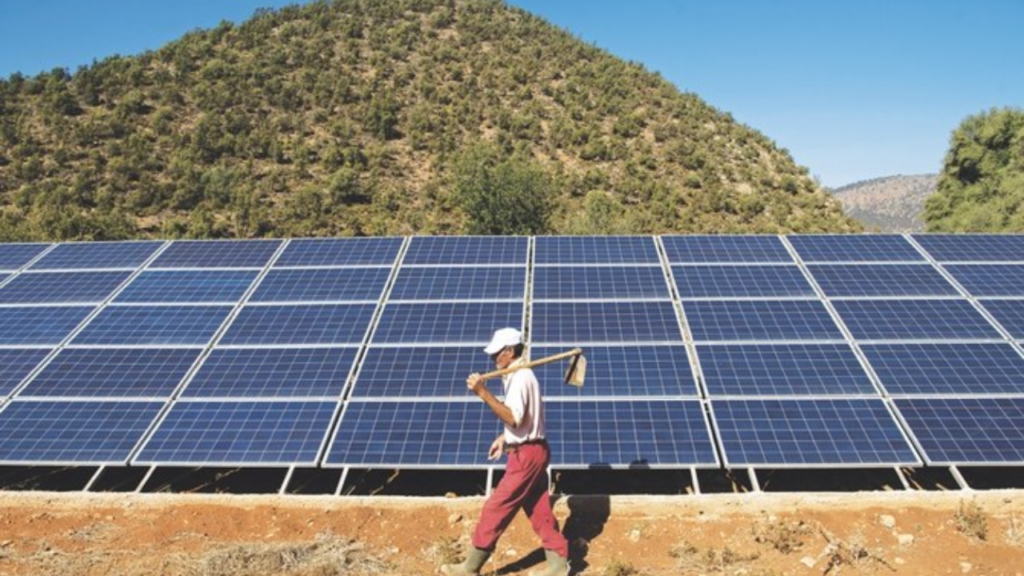
Morocco has established itself as a leader in renewable energy, particularly in Africa. The country has developed large-scale solar and wind projects that serve as models for other nations.
Key achievements include:
- Development of one of the world’s largest solar complexes
- Expansion of wind farms across coastal regions
- Integration of renewable energy into national grids
- Reduction of dependence on imported fossil fuels
This leadership has positioned Morocco as a key player in global energy transition efforts.
Research Development
Renewable energy projects have significantly boosted scientific research in Morocco. Universities and research institutions are actively involved in developing new technologies and improving existing systems.
Key contributions include:
- Research in solar panel efficiency
- Development of energy storage systems
- Studies on wind energy optimization
- Innovation in grid management
These research activities strengthen the country’s scientific ecosystem.
Innovation Growth
The renewable energy sector is driving innovation across multiple scientific fields. New technologies are being developed to improve energy production and sustainability.
Important innovations include:
- Smart grids and digital energy systems
- Advanced battery storage solutions
- Green hydrogen production technologies
- Integration of AI in energy management
These innovations contribute to both scientific progress and economic growth.
Academic Contribution
Universities in Morocco are playing a major role in renewable energy research and education. Academic programs are increasingly focused on sustainability and clean energy technologies.
Key developments include:
- Introduction of specialized courses in renewable energy
- Collaboration with international universities
- Student involvement in research projects
- Establishment of innovation labs and centers
This academic focus is preparing the next generation of scientists and engineers.
Industrial Impact
Renewable energy is also influencing industrial development in Morocco. Industries are adopting clean energy solutions to improve efficiency and reduce environmental impact.
Key changes include:
- Use of renewable energy in manufacturing
- Development of green industrial zones
- Growth of clean technology startups
- Increased investment in energy infrastructure
This industrial shift supports sustainable economic development.
Environmental Benefits
The environmental impact of renewable energy is one of its most significant advantages. Morocco’s efforts are helping reduce carbon emissions and protect natural resources.
Key benefits include:
- Reduction in greenhouse gas emissions
- Improved air quality
- Conservation of natural resources
- Support for climate change mitigation
These benefits contribute to long-term environmental sustainability.
Global Collaboration
Morocco’s renewable energy sector has attracted international partnerships and collaborations. The country is working with global organizations and governments to advance research and development.
Key collaborations include:
- Partnerships with European energy companies
- Participation in international research projects
- Investment from global institutions
- Knowledge exchange programs
These collaborations enhance scientific knowledge and innovation.
Economic Growth
Renewable energy is contributing to Morocco’s economic growth by creating jobs and attracting investment.
Key economic impacts include:
- Job creation in the energy and research sectors
- Growth of export opportunities
- Attraction of foreign investment
- Development of new industries
This economic growth supports national development goals.
Future Potential
The future of renewable energy in Morocco looks promising, with ongoing projects and research initiatives.
Potential developments include:
- Expansion of green hydrogen production
- Increased renewable energy capacity
- Development of new technologies
- Strengthening of research infrastructure
These opportunities highlight the long-term importance of renewable energy.