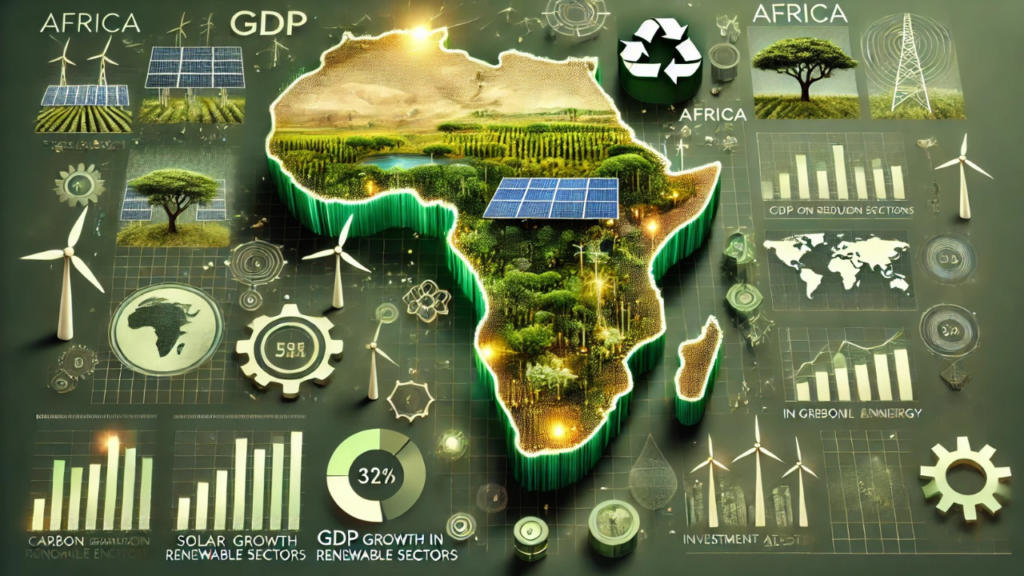
Green technology is transforming Africa’s approach to energy, environment, and sustainable development. With rising climate challenges and increasing demand for clean resources, African nations are adopting innovative solutions to reduce environmental impact and promote long-term growth. Countries like Morocco are leading the way in renewable energy and sustainability research. From solar power to smart agriculture, green technologies are reshaping the continent’s scientific and economic future.
Table of Contents
Overview
| Aspect | Details |
|---|---|
| Focus Area | Green technology and sustainability |
| Region | Africa |
| Key Sectors | Energy, water, agriculture, environment |
| Main Goal | Reduce environmental impact |
| Key Drivers | Climate change, innovation, policy |
| Impact | Sustainable growth and development |
Renewable Energy
Renewable energy is the most significant green technology trend in Africa. The continent has abundant solar and wind resources, making it ideal for clean energy production.
Key developments include:
- Large-scale solar farms and wind projects
- Expansion of off-grid energy solutions
- Development of hybrid energy systems
- Increased investment in clean energy infrastructure
Countries like Morocco and South Africa are investing heavily in renewable energy projects, reducing dependence on fossil fuels and improving energy access.
Solar Innovation
Solar technology is rapidly expanding across Africa, especially in rural and remote areas where electricity access is limited.
Important innovations include:
- Portable solar home systems
- Solar-powered schools and clinics
- Solar irrigation systems for farming
- Integration of solar panels in urban buildings
Solar energy is helping bridge the energy gap while supporting sustainable development.
Green Hydrogen
Green hydrogen is emerging as a future energy solution in Africa. It involves producing hydrogen using renewable energy, making it a clean alternative to fossil fuels.
Key advancements include:
- Research on hydrogen production and storage
- Development of export strategies
- Partnerships with global energy companies
- Integration with industrial sectors
Countries like Namibia and Morocco are exploring green hydrogen projects to become global energy exporters.
Sustainable Agriculture
Agriculture is a critical sector in Africa, and green technology is improving productivity while protecting the environment.
Key innovations include:
- Smart irrigation systems
- Climate-resilient crops
- Use of AI and data analytics in farming
- Organic and eco-friendly farming practices
These technologies help farmers increase yields while conserving water and soil resources.
Water Management
Water scarcity is a major challenge in many African countries. Green technology is providing solutions for efficient water use and conservation.
Important developments include:
- Desalination plants powered by renewable energy
- Rainwater harvesting systems
- Smart water distribution networks
- Water recycling and reuse technologies
These innovations are essential for ensuring water security in the future.
Waste Management
Waste management is becoming a priority as urban populations grow. Green technologies are helping reduce pollution and promote recycling.
Key trends include:
- Waste-to-energy conversion systems
- Recycling and circular economy models
- Smart waste collection systems
- Reduction of plastic usage
These solutions help create cleaner cities and reduce environmental impact.
Green Buildings
Sustainable construction is another important trend in Africa. Green buildings are designed to reduce energy consumption and environmental impact.
Key features include:
- Energy-efficient materials
- Solar-powered buildings
- Water-saving systems
- Smart building technologies
These developments contribute to sustainable urban growth.
Climate Technology
Climate-focused technologies are helping African countries monitor and respond to environmental changes.
Key applications include:
- Climate data analysis
- Early warning systems for disasters
- Monitoring of air and water quality
- Environmental risk assessment
These technologies improve resilience to climate change and natural disasters.
Policy Support
Government policies and international collaborations are driving green technology adoption in Africa.
Key initiatives include:
- National renewable energy strategies
- Investment in research and development
- Partnerships with global organizations
- Support for green startups
Policy support plays a crucial role in scaling green innovations.
Industrial Transition
Industries in Africa are gradually shifting toward sustainable practices using green technologies.
Key changes include:
- Adoption of clean manufacturing processes
- Use of renewable energy in industries
- Reduction of carbon emissions
- Development of eco-friendly products
This transition supports both economic growth and environmental protection.
Final Thoughts
Green technology is shaping Africa’s future by addressing critical challenges such as energy access, water scarcity, and climate change. With strong investment, innovation, and policy support, the continent is moving toward a more sustainable and resilient future. As countries continue to adopt and develop green solutions, Africa has the potential to become a global leader in sustainable technology and environmental innovation.